



Being Part of the Solution to Fix Our Food with Matt Wechsler
Published Apr 16, 2026
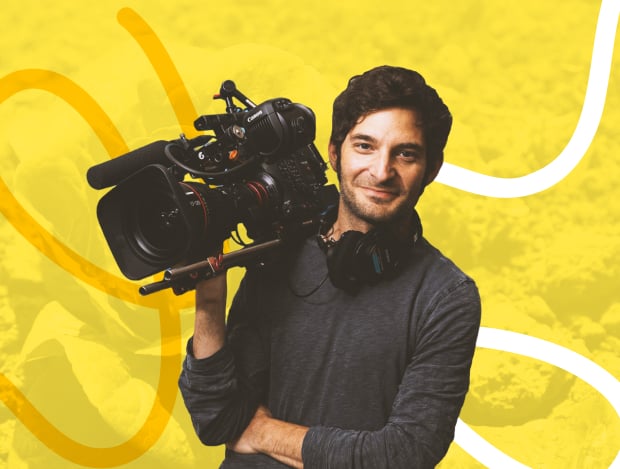
In celebration of our 2026 benefit honorees, filmmaker Matt Wechsler discusses what drives his documentaries exposing the harms of our food and farm system.
Everyone needs food to eat, clean water to drink, and fresh air to breathe. But with the way Big Ag has treated our food and our environment, these basic needs are becoming increasingly out of reach. Why? Ask Matt Wechsler, Emmy-nominated filmmaker.
Matt is the director of three documentaries — Sustainable (2016), Right to Harm (2019), and The Jungle (2024) — that expose the intertwined crises of corporate greed, environmental damage, and exploitation that define our food system.
His work has been instrumental in illustrating these issues and inspiring people to take action in their own communities. This year, we’re celebrating him as an honoree at Against All Odds, our annual benefit to protect the planet.
Ahead of the April 29 event, we sat down with Matt to talk about his films and his activism. This interview has been edited for clarity and length.
What drives your passion to make films about food, farming, and the environment?
The food system impacts our environment, it impacts our nutrition. It impacts our health, it impacts the climate. Fixing the food system is a way to fix so many other problems, not just in this country, but across the world.
And everyone can relate to food. Sharing food is a way to share intimate moments with friends and family and to learn about new people. It crosses cultures, it crosses nations.
I’ve always thought that art is a way to find someone’s emotional connection to something. It’s hard to care about something if you’re not emotional about it. I wanted people to be as passionate as I am about food and the environment, and I felt that documentary filmmaking was an art form that I could use to help.
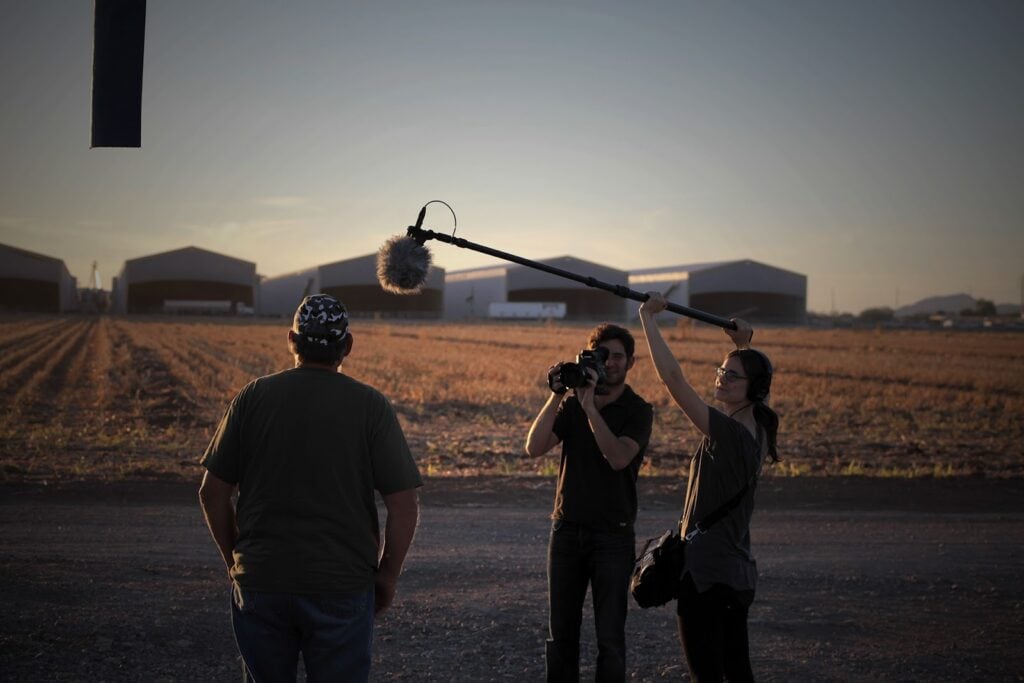
I think change in our food system and our environment is inevitable. Whether it completely collapses and we’re all victims of it, or whether we’re all part of the solution, it’s going to happen regardless of our interactions with it.
So why not be part of the solution? That’s why I stay involved locally in my community and why I try to use my films to reach even larger communities.
How have your films impacted audiences and the wider environmental and food activist movements?
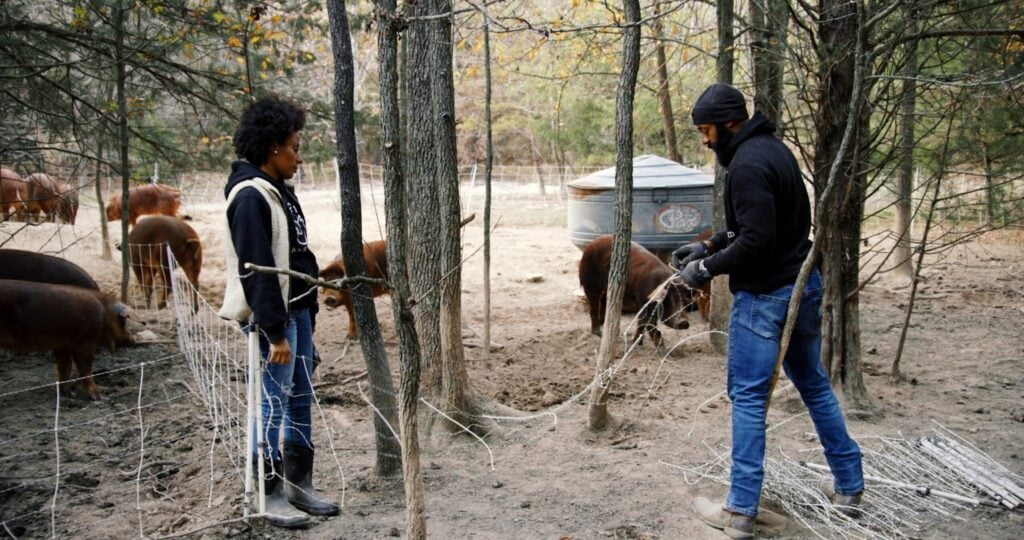
When I was looking for subjects for my latest film, The Jungle, I went down to North Carolina and interviewed farmers Derek and Paige Jackson, and they told me that my previous film, Sustainable, inspired them to start regenerative farming.
That was just a really fun full-circle moment for me. I had made a film that pushed my next documentary subject into this regenerative agriculture movement.
On a wider scale, when I was making Sustainable, I felt there was an environmental movement on one side and an agriculture food movement on the other side, and they weren’t connected.
My goal with the film was to find a connection point between them. Sustainable ended up on Netflix, it was seen in 70 different countries, in 30 different languages by millions and millions of people. And I think today, there is no doubt in people’s minds about the impact of agriculture on the environment and the connection they have. So I do feel at some level that that film helped with all that.
How did you first get involved in Food and Water Watch?
In 2016, I set out to make Right to Harm. I worked with the Socially Responsible Agriculture Project to follow the story of Maryland’s Healthy Air Act, to monitor air pollution from concentrated animal feeding operations. And Michelle Merkel from Food & Water Watch was at the center of that fight.1Michelle Merkel serves on the Food & Water Watch Board of Directors. She previously worked as Managing Director of Advocacy and founded our legal team, Food & Water Justice.
I got to see this amazing grassroots effort made by Food & Water Watch. They worked with local organizations and organized hundreds of people to help support this bill as it moved through the State Senate.
I followed that story all the way through to an event at the Maryland State Capitol. I just could not believe how many people came out to support — hundreds and hundreds of people, organized by the Food & Water Watch team.
Hear more from Matt at Against All Odds! Join us in New York City on April 29 at 6 p.m.
What’s it like to work with Food & Water Watch?
One of the great things about working with Food & Water Watch is that they have championed all my films. They’ve utilized the films exactly as they’re intended — for impact in local communities. And they’ve screened films all across the country in an effort to pass legislation in various places.
It’s hard to get politicians to understand the connection between health and environment; how environmental issues cause health issues for the constituents of an area. My films were helpful in organizing and getting communities together to understand that.
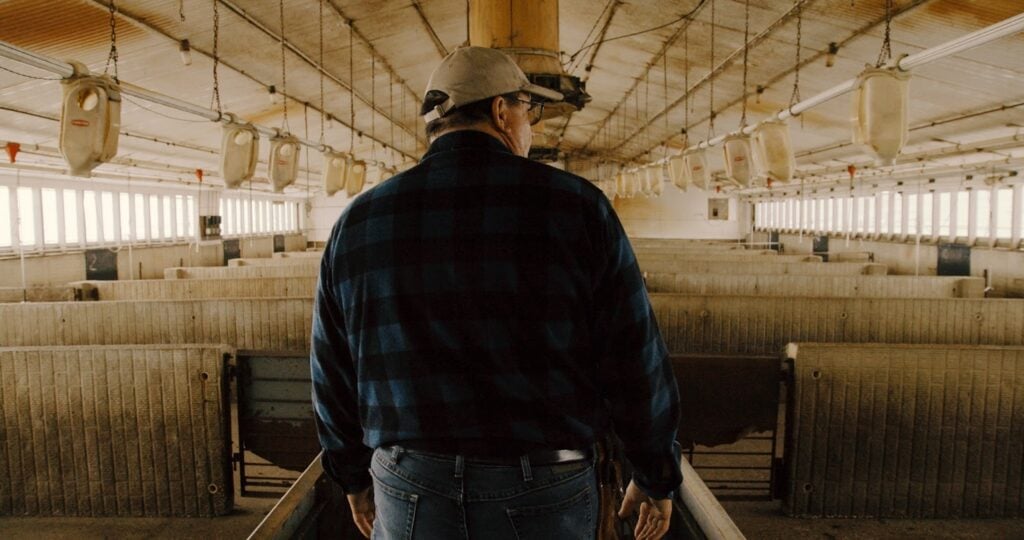
Recently, Food & Water Watch has been doing work in New York, in Iowa, in Oregon, to pass state legislation related to a lot of topics in my film, The Jungle. So they organized screenings of The Jungle throughout those states, and used those screenings to gather people together and raise awareness around these issues.
And in Iowa, they successfully stopped the Cancer Gag Act from passing, which would have prevented people from suing pesticide companies for getting cancer after using pesticides on farms.
I often don’t have time for a lot of the impact-driven stuff, and Food & Water Watch picks up what I can’t do. My job is to make the film, and for that film to get out there, you need people on the ground, and that’s what Food & Water Watch has been. That’s the dream for a filmmaker.
Your films emphasize how systemic food and farm crises are and how powerful our opponents are — but they also feature lots of people working on solutions and winning. What gives you hope now?
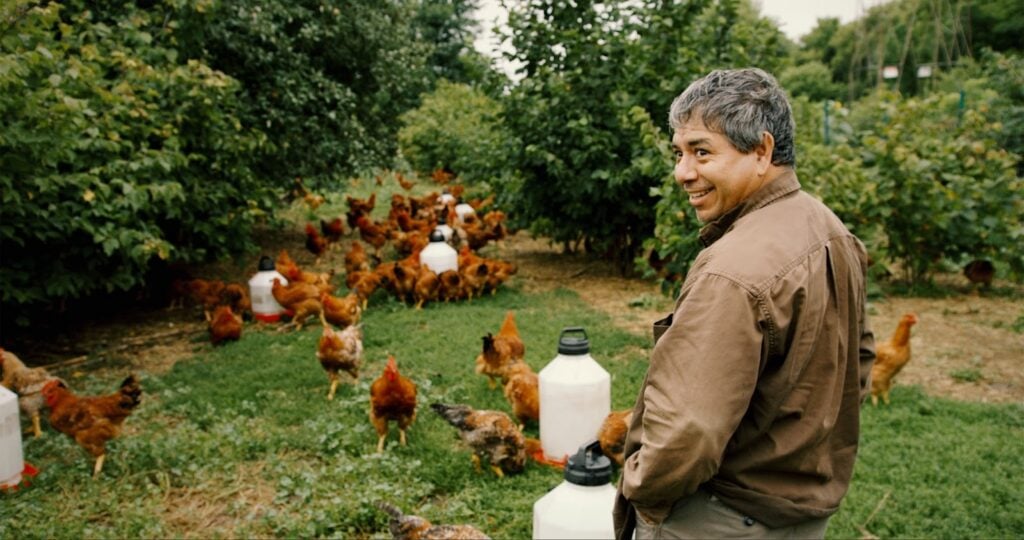
It’s easy nowadays to get bogged down, to feel anxious, to feel hopeless about what’s going on in the world. To those people who feel that way — Plant something. Plant something and take care of it.
And after you do that, plant something else and take care of that; start to nurture nature yourself and start to develop a connection with nature in whatever capacity you have.
I get a lot of hope for the future from knowledge. The more I can learn about how I can protect myself, my family, my community, my neighbors — whether it’s growing good food on my property or sourcing good food, or supporting farmers or supporting environmentalists — I can pass on the knowledge that I’ve learned.
I’ve met so many incredible people over the course of making these films who inspire me and others with their passion for the environment and for changing the food system. One of those people is Dr. John Ikerd, and one of the inspiring things he said is, “We owe a debt to those of the past, and we can only repay that debt to those of the future.”
As a father, that really stuck with me. And it parallels a lot of what I’m trying to do with my own passions as an activist, in trying to create films that push the world to a better place and hopefully leave the world a better place for my children.
Read about our other honorees, oil painter Fredericka Foster and hand weaver Susan Weltman.
Enjoyed this article?
Sign up for updates.
TO TOP
Endnotes