



Trump’s War: Exposing the Lie of Oil and Gas “Energy Independence”

Published Mar 12, 2026
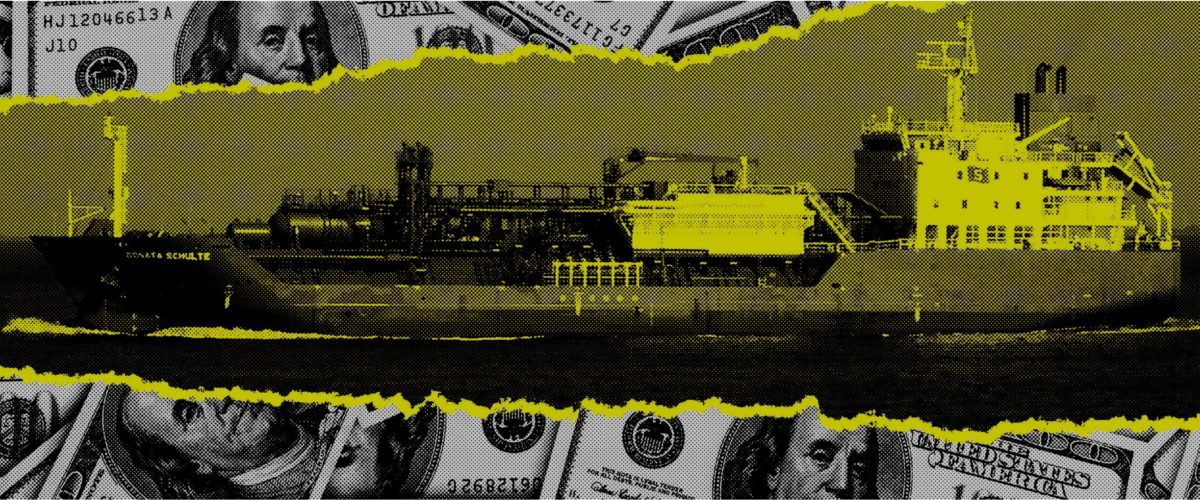
Since Trump’s war with Iran began, we’ve seen a sharp spike in energy prices. Real energy independence will only come when we adopt renewables.
For years, we’ve been told by our elected leaders that increased domestic oil and gas drilling will lead to lower prices for consumers and energy independence. Trump’s war with Iran just exposed those claims as a big lie.
Just two weeks in, this war is fast-creating significant humanitarian and environmental catastrophes across the region. Moreover, it’s wreaking havoc on global energy prices, including in the United States. Families across the country were already trying to afford a 13% increase in average electricity prices during 2025.
Now, gasoline prices are rapidly increasing, as are the costs of natural gas and home heating oil. Despite decades of calls for an “all the above” energy strategy and “Energy Dominance,” increased domestic fuel production has done nothing to shield us from price spikes. The only path towards true energy independence and long-term price stability is with renewables.
Fuel Costs Are Skyrocketing
Since the start of Trump’s war with Iran, national average gasoline prices have increased from $2.94 the week before the war to $3.50 on March 9. Prices went up $0.49 in the first week of March alone. Natural gas, which was trading at $2.78 per MMBtu just before the war, spiked to $3.48 within a week of the war’s start. Home heating oil, which was trading at $2.58 per gallon before the war, spiked to $4.38 within a week of the war. All of these increases are further squeezing already tight household budgets.
Because people in the U.S. tend to drive less fuel-efficient cars, gas price spikes hit harder than they do in countries that drive more electric vehicles, more fuel-efficient cars, and have more access to public transportation. In addition, our dependence on natural gas as the main fuel for electricity production means our electricity costs will increase due to the rapid rise in natural gas prices.
Add these rising costs to the already rapidly increasing cost of electricity due to the spread of data centers for artificial intelligence (AI), and the strain on household budgets is unbearable. These increases in energy and transportation costs also affect the costs of other products and feed overall inflation.
In addition to oil and liquefied natural gas, chemical fertilizer shipments from the Middle East have been disrupted. Now, fertilizer prices are increasing along with oil and gas. All of these combine to raise food prices — already stubbornly high — and drive up manufacturing and transportation costs for all products.
There’s No Such Thing as “Energy Independence” with Fossil Fuels
For several decades, we have been told by politicians in Washington that it is important for the United States to have “energy independence.” From Obama’s “all the above” push for increased fracking and natural gas production to Trump’s insistence on more oil and a revival of coal, policies have increased domestic production.
This increased production comes with environmental, climate, and public health harm. Communities in which fracking wells have been drilled have seen myriad negative effects, from contaminated drinking water to increased instances of cancer. At the same time, the push for expanding domestic fossil fuel production continues to fuel our global climate crisis.
Exporting oil and natural gas has also cleaved U.S. prices to volatile global energy markets. When prices rise in one place, they go up basically everywhere — affecting both the oil and gas produced in the U.S. and the oil and gas we import.
The depth of the U.S. integration into this global market is reflected in the fact that, although the U.S. is the number one oil producer in the world, it exported enough crude oil and finished gasoline to meet the gasoline use of 100 million Americans.
Trump’s war has closed the Strait of Hormuz south of Iran, through which 20% of global oil trade passes. This will dramatically affect oil prices around the world. Even if the U.S. isn’t seeing a drop in oil production, prices are bid higher on the global market, resulting in higher prices everywhere, including the United States.
We Need to Break the Fossil Fuel Habit and Protect Consumers
The halt to oil and gas shipments through the Strait of Hormuz isn’t likely the only thing driving increased energy prices. As we saw in the wake of COVID, companies boasted about increasing prices far beyond what was justified by increases in costs. But it’s our dependence on fossil fuels that gives these multinational corporations the ability to squeeze us dry.
To achieve anything like “independence” for our energy production, we must transition off of fossil fuels and onto clean, renewable energy. But the Trump administration has done everything it can to undermine solar and wind power. This has resulted in a 14% decline in added solar energy in the past year.
Solar and wind energy aren’t subject to the same fuel cost spikes as fossil fuels. This is no doubt one reason corporations have so opposed the needed transition — they can’t profit off the sun and wind. It’s also why countries that have larger shares of renewable energy on their grids, better and more accessible public transportation, and a wider adoption of electric vehicles will see smaller impacts on energy costs.
While the price shocks caused by Trump’s war are likely only just beginning, the solution is there. We must change how we power our society by transitioning to renewable energy while also transitioning our food system away from corporate consolidation that forces a reliance on chemical fertilizers. The only true energy independence is freedom from the fossil fuel oligarchs.
Take a stand against the Trump administration. Join a No Kings event on March 28!
Enjoyed this article?
Sign up for updates.
TO TOP