



3 Ways We’re Fighting For Affordable, Clean Energy


Published Dec 3, 2025
Across the country, families are facing skyrocketing electricity bills. In the past year, electricity prices have risen twice the rate of inflation. Not being able to afford your electricity bill is not only stressful, but it can also lead to dangerous situations. When people can’t afford energy, their houses can get dangerously hot, or they may lose access to life-saving medical equipment.
As the price of essentials continues to climb, families are making hard choices, like whether to budget for rent, medicine, groceries, or utilities. Last year, these hard choices led 24% of households to not pay their electricity bills in full.
Everyone has the right to the safety and security that affordable energy brings. However, that’s becoming further out of reach for families nationwide.
Trump’s energy policies shoulder a heaping portion of the blame for this. He’s fast-tracking costly fossil fuel projects, keeping us hooked on expensive, dirty energy, and blocking cheaper renewables from getting built.
While Trump is a major culprit, he isn’t the only one making bills less affordable. From corporate energy guzzlers to rubber-stamping agencies, there are lots of reasons why our energy bills are too damn high.
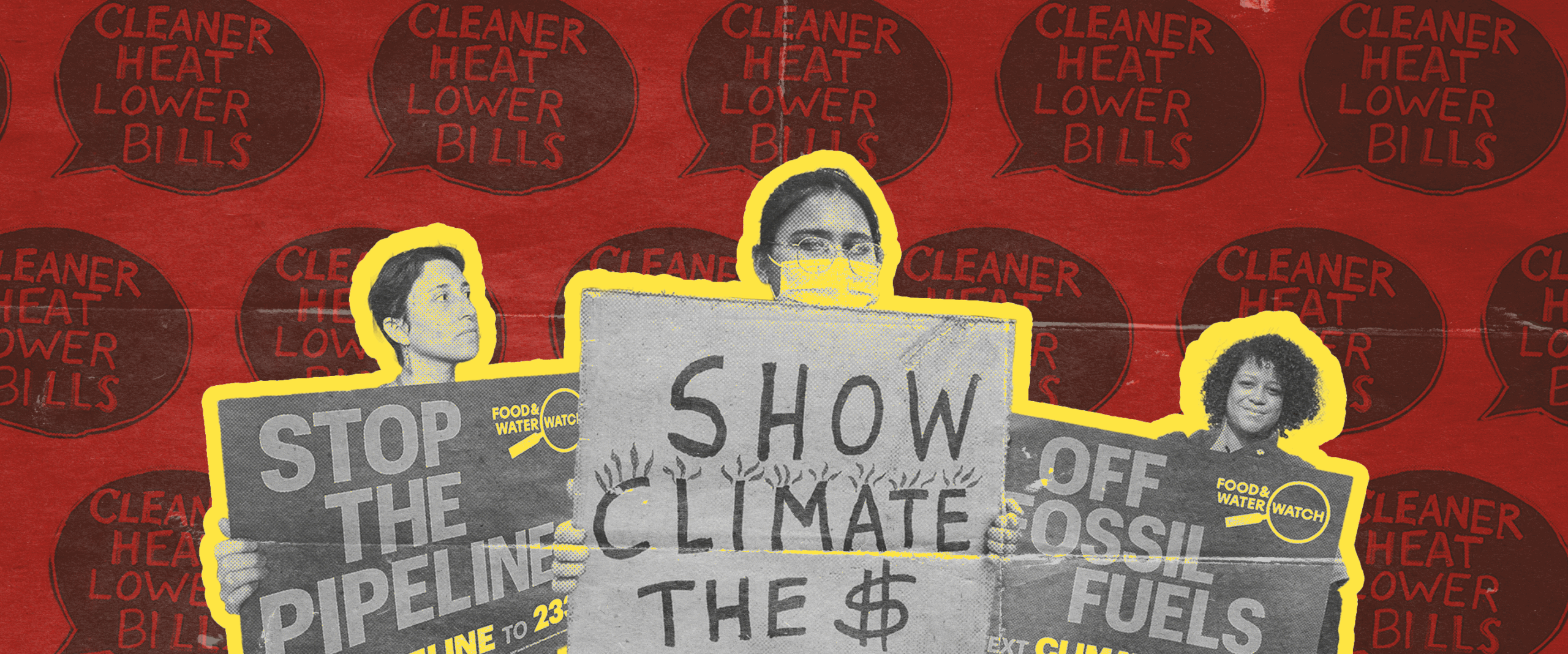
The energy affordability crisis is reaching every corner of our country. In response, Food & Water Watch joined allies and community members in several states to address some of the underlying causes for higher electricity prices.
Each state faces different contexts and issues, but these campaigns have something in common — rallying people to fight for affordable energy for our neighbors.
Stopping Expensive, Dirty Gas in New York
Despite the gas industry’s claims of affordability, electricity prices have exploded 74% in the last 20 years alongside growing U.S. gas consumption.
Staying hooked on gas is costing us. Fracked gas prices are vulnerable to volatile global markets. And gas power relies on costly infrastructure that will quickly become deadweights as we move into a renewable energy future.
Nevertheless, developers are pushing forward with expensive, unnecessary pipelines, the cost of which gets passed onto us through our utility bills.
The Federal Energy Regulatory Commission (FERC) is supposed to work for “reliable and affordable power for all.” But when it comes to approving expensive gas pipelines, it has functioned as a rubber stamp, rejecting only two out of more than 400 proposals from 1999 to 2019. Building gas pipelines and capacity we don’t need has wasted $179 billion.
Doubling down on and expanding gas means more expensive energy. Nevertheless, many of our leaders are working to lock us into this dirty fuel anyway. In New York, we’re calling on Governor Hochul to reject fracked gas pipeline projects, including the Constitution Pipeline and an Algonquin pipeline expansion.
New Yorkers are done with expensive gas. Last summer, we successfully pushed the state legislature to end the 100-foot rule, which made ratepayers subsidize new gas hookups through their bills to the tune of $200 million a year. And we’ll continue pushing Governor Hochul to sign it into law.
Fighting Fossil-Fueled Rate Hikes in Florida
At the beginning of November, Tampa Electric got the green light for electricity rate hikes that will raise people’s bills by 82% compared to just six years ago — that’s an additional $939 annually.
Soon after, the Florida Public Service Commission (PSC) approved the largest rate hike in United States history at nearly $7 billion. This is expected to raise Florida Power & Light customers’ bills by 45% from six years ago.
Florida ranks 6th in the nation for heat-related deaths; a figure that would be even higher if not for widespread air conditioning. Running the air conditioning isn’t a luxury — it means survival in the state’s brutal temperatures, which are only set to intensify.
The Public Service Commission, the governor-appointed board of utility regulators, should be standing up for Floridians against dangerous rate hikes. The PSC is responsible for ensuring that people reliably receive their utility services at fair prices. They also approve or deny rate hikes, like the ones passed in November.
Corporate utilities have been asking for higher and higher rates, and DeSantis’ PSC has been rubber-stamping decisions with little transparency.
The PSC’s decisions have dire effects on Floridians. So to ensure people can afford their energy, we’re calling on our legislators to pass affordable energy legislation. It’s a call that we and our allies — including 29 elected officials — have spread around the state.
Florida leaders must reject long-term rate hikes that lack transparency; any utility return on equity (profit utilities are allowed to make) above the national average; and the continued investment in expensive fossil fuels that drive much of the rate hikes. The PSC needs guardrails on what decisions they can pass. Our state leaders must defend Floridians from corporate utilities.
Opposing AI Data Centers in Pennsylvania and Beyond
Communities are scrambling to grapple with data center proposals and the increased electricity prices they will bring. The problem hits hard in Pennsylvania, which is third in the nation for proposed data centers, with more than 20 facilities planned.
Data centers come with huge impacts. They consume copious amounts of our drinking water and energy. Worse, Pennsylvania Governor Josh Shapiro and data center boosters are looking toward the state’s gas reserves as a reason for building data centers in the Commonwealth.
While Shapiro suggested that data centers should source their own energy to prevent people’s electricity bills from rising, Pennsylvanians will still pay to connect these facilities to the grid. They’ve already paid $492 million for energy infrastructure upgrades to get data centers connected to the grid in 2024. In short, any build-out of data centers will cause Pennsylvanians to see higher energy bills.
Pennsylvania is already the 4th-largest carbon-emitting state in the nation. Polluting industries have long harmed public health in the state. Data centers are largely depending on gas for power, which may mean even more pollution for the Keystone State.
It’s part of why Food & Water Watch is calling for a nationwide halt to new data centers. However, due to Pennsylvania’s wonky zoning laws, municipalities can’t ban data centers — but they can restrict them. To combat Pennsylvania data centers, we’re building on our work on municipal zoning ordinances that we’ve successfully used to curtail fracking.
From Hampden Township to Hazle Township, we’ve joined with allies to call out missing paperwork and broken laws, stopping data centers before they’re even approved. We’re working to empower communities to pass protective ordinances that restrict data centers and ensure community concerns are heard. And we’re just getting started.
Join Our Fight for Affordable, Clean Energy!
Gratuitous pipelines, greedy corporations, Big Tech’s data centers — Food & Water Watch is fighting against all of them. Energy is a basic necessity in our modern society; it shouldn’t just go to those who can afford soaring prices for it.
This fight is only growing in importance in the midst of a cost-of-living crisis and growing climate chaos. We need leaders who will look out for us, not wealthy developers or corporations.
So we’re fighting in the halls of power and organizing in our communities to win the change we need. Everyone should have access to affordable, reliable, and clean energy.
Check out opportunities to join our fights for a livable future in Florida, New York, Pennsylvania, and nationwide!
Enjoyed this article?
Sign up for updates.
TO TOP