


Bringing CAFO Pollution Monitoring Nationwide


Published Oct 27, 2026
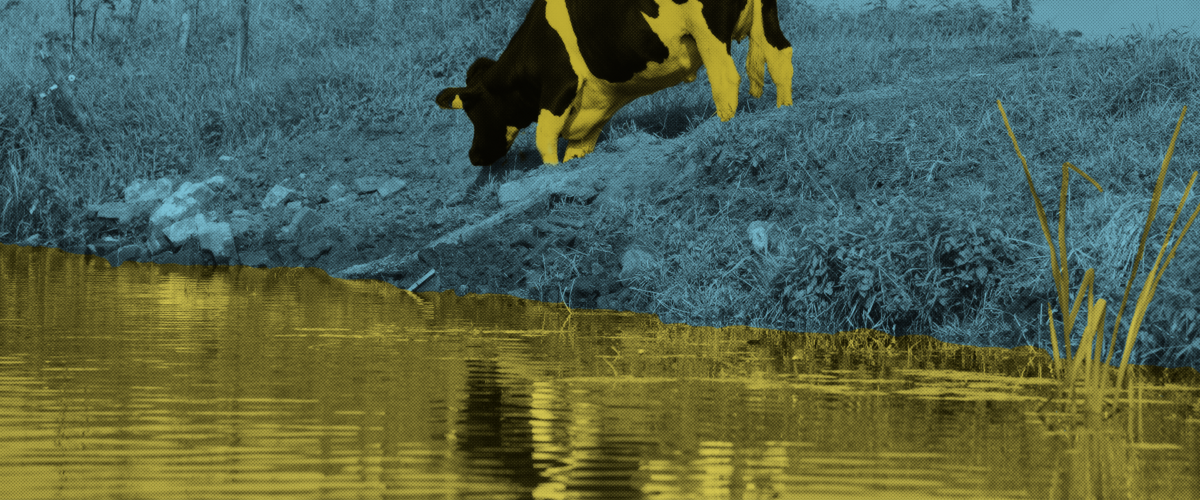
After a strong Ninth Circuit win to require Idaho CAFOs to monitor their discharges, we are working to implement the same requirements across the country.
As a result of our 2020 EPA lawsuit with Snake River Waterkeeper, we won a strong legal precedent in the Ninth Circuit Court of Appeals requiring monitoring provisions to determine whether a permitted factory farm is discharging water pollution. Factory farms, also known as concentrated animal feeding operations (CAFOs), have long enjoyed special treatment under the federal Clean Water Act by not having to conduct the monitoring required of other industries to show they are complying with their pollution permit. Pollution monitoring is central to the Act’s permitting scheme, and essential to holding polluters accountable. Thankfully, the Ninth Circuit agreed with FWW that factory farms must monitor and report water pollution and required the Environmental Protection Agency to rewrite the permit.
Unfortunately, weak permits that lack monitoring are still widespread. In states from coast to coast, regulators allow thousands of factory farms to discharge large quantities of nitrogen, phosphorus, pathogens, and other pollutants harmful to human and ecosystem health into our streams, rivers, and eventually drinking water. The true scale of the problem is unknown, and most illegal discharges go unreported. We cannot enforce a permit if we do not know a factory farm is violating it. Monitoring provisions allow the government and the public to know if a facility is discharging illegally. It’s become clear that even a clear declaration from the federal courts is not enough to get state regulators to stop giving factory farms a free pass to pollute. So, we are working to implement the Ninth Circuit’s decision saying what the Clean Water Act requires in state-issued permits around the country, challenging these deficient statewide permits one at a time.
Washington
In 2025, we won stronger factory farm oversight and monitoring as the result of a years-long legal campaign in Washington state. This win followed allies’ victory in 2021 when the Washington Court of Appeals found that the 2017 statewide CAFO permit’s pollution controls were inadequate and permits must include monitoring. When Washington’s Department of Ecology (Ecology) began issuing the 2017 factory farm permits in question, the agency relied mostly on soil sampling and visual inspections to determine a factory farm’s impact on groundwater. The court concluded that those measures were insufficient, and groundwater and surface water monitoring is necessary to protect water quality.
That ruling required Ecology to rewrite the permits, which it did in 2022. However, these revised permits still failed to fully implement requirements stemming from the Court’s ruling, so FWW joined the legal effort to again challenge the permits for several reasons, including inadequate monitoring. In March 2025, the Washington Pollution Control Hearings Board ordered Ecology to revise the permits again, ruling in our favor. Significantly, the Board required groundwater monitoring for all permitted facilities. Ecology is now once again rewriting the permit to include those monitoring requirements. We will know if Ecology finally complies with the Clean Water Act in spring 2027.
Colorado
We have been working to improve Colorado’s factory farm general permit since the state most recently reissued it in 2021. As with other state CAFO permits, Colorado’s general permit prohibits nearly all pollution discharges to water but does not require monitoring to determine if facilities are complying. We had an initial win in 2023 when an administrative law judge ordered the same type of monitoring that the Ninth Circuit required in Idaho.
Unfortunately, the Director of Colorado’s environmental agency and the district court later reversed that decision, so we have appealed to the Colorado Court of Appeals. In October 2026, we argued to the Court that prohibiting discharges and then relying on assumptions is not enough; instead, pollution monitoring is required to establish compliance.
Montana
In Montana, we are working on a similar challenge to the state’s 2023 factory farm General Permit. .Despite clear direction from the Ninth Circuit, the state issued the permit without a monitoring requirement. In response, we brought a lawsuit against the Montana Department of Environmental Quality arguing once again that the Clean Water Act mandates this kind of monitoring. We are also arguing that the Montana Constitution protects all Montanans’ right to a “clean and healthful environment,” which an ineffective and unenforceable factory farm permit cannot protect.
Oregon
In 2026, we filed a similar case in Oregon asking the Multnomah County Circuit Court to strike down the Oregon Departments of Agriculture and Environmental Quality’s statewide general permit. Despite the Ninth Circuit in Idaho and Washington state courts confirming that CAFOs must monitor their pollution like other dischargers, Oregon agencies moved forward with yet another deficient permit. Oregon’s permit covers over 300 Oregon factory farms. The permit lacks groundwater monitoring, so like Colorado and Montana, we are asking the court to enforce the Clean Water Act mandate that these permits contain monitoring to ensure factory farms comply with the law.
Permits are meaningless if they are not enforceable. Factory farms have long been able to pollute without accountability because regulators have refused to require pollution monitoring. FWW will continue fighting until monitoring of factory farm pollution is required nationwide, and won’t stop until we can hold these operations accountable for their harms to the waters we all depend on.
Enjoyed this article?
Sign up for updates.
TO TOP