


CAFO Creep Court Fights Continue in Minnesota


Published Oct 19, 2026
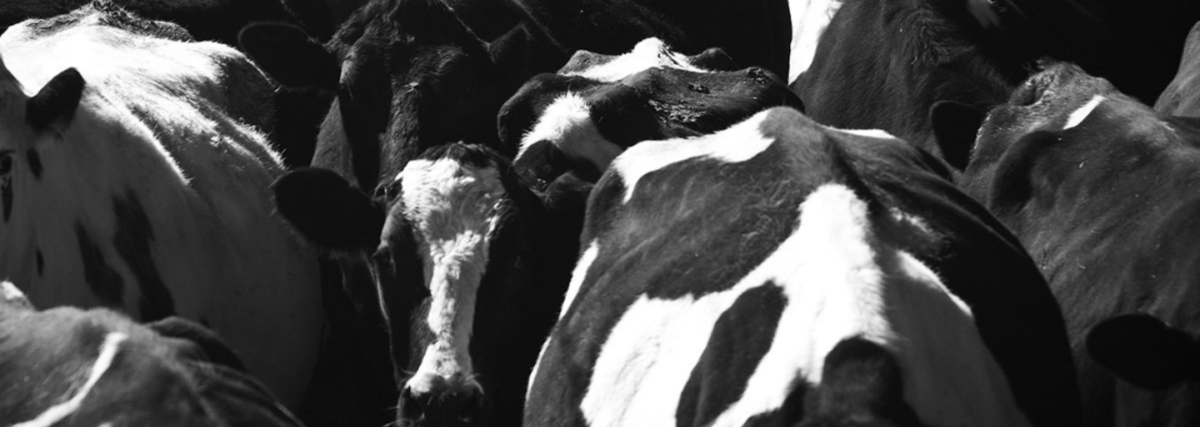
We are going back to court to oppose another dangerous proposal by dairy corporation Riverview and Minnesota’s failure to properly review it.
Food & Water Watch is again going to court to stop the consolidation of the dairy industry by a massive corporate mega-dairy. Riverview, the largest dairy producer in Minnesota and the second-largest in the country, is looking to expand its operations. Riverview already owns and operates at least 25 factory-farm milk operations across Minnesota, the Dakotas, Nebraska, New Mexico, and Arizona. Despite this dominance, the company is looking to build yet more mega-dairies, which will further consolidate the industry, putting family dairies out of business and increasing its harmful impacts to the region’s air, water, and climate.
In June 2026, the Minnesota Pollution Control Agency (MPCA) issued an order declaring that an Environmental Impact Statement (EIS) is not necessary for Riverview’s proposed West River Dairy expansion near Morris, Minnesota, which would increase its West River herd from approximately 8,000 cows to nearly 19,000 cows. We’ve filed suit to force MPCA to properly analyze the effects of this project.
The proposal would make West River Minnesota’s largest concentrated animal feeding operation (CAFO). The expanded facility would generate enormous amounts of manure and wastewater, require 226 million gallons of groundwater each year, emit a minimum of 2.17 million tons of greenhouse gases over the dairy’s lifespan, and serve as a cornerstone of an empire that is making it impossible for smaller-scale dairy operations to survive. These are all significant environmental effects that necessitate a full EIS, yet MPCA refuses to act.
The expanded facility will generate over 200 million gallons of waste annually — more than the volume of waste produced by the human populations of Minneapolis, Rochester, and Minnetonka combined. Riverview plans to apply this waste to fields that drain to two already-impaired surface waters.
Industrial agriculture pollution already impairs the region’s drinking water, and dozens of groups have called for federal action to curb the crisis. Nitrates, phosphorus, pathogens, and other harmful factory farm pollutants leach into our groundwater, threatening public health in nearby communities. Roughly 1 in 5 Americans’ drinking water is contaminated by nitrates, typically from industrial agriculture runoff. MPCA must fully consider the cumulative impacts of Riverview’s proposed expansion on ground and surface waters, including public health impacts, in an EIS.
In addition to the potential for increased water pollution, the West River expansion threatens water supplies. Though we know the facility will require an enormous quantity of water, MPCA is relying on outdated data that cannot adequately forecast the true impacts on the aquifer or the Pomme de Terre River. A full EIS would give the public the information we need to ensure this expansion does not overtax nearby surface and groundwater resources.
But the West River expansion’s impacts go far beyond water. More livestock equals more emissions of greenhouse gases and other dangerous air pollutants. Though MPCA’s estimate that the project will generate more than 66,000 tons of carbon dioxide equivalent emissions is bad enough, the actual emissions are likely far higher because MPCA ignored upstream emissions from things like feed production. The agency also parroted Riverview’s claims that unproven mitigation practices will reduce pollution. The public deserves to know the truth about Riverview’s contributions to climate change and air pollution induced illnesses.
Finally, there will be undeniable socioeconomic effects to surrounding communities if this expansion is allowed to proceed. Like many other states, Minnesota’s dairy industry is consolidating at an alarming rate; though the number of cows in the state has not changed, more than two-thirds of Minnesota’s dairy farms have been shuttered over the past 25 years.
As the herds confined on Riverview’s mega-dairies have grown, so has Riverview’s market power. Riverview owns approximately one-third of all dairy cows in the state. Because purchasers looking to cut costs would much rather meet their entire quota at a single stop, Riverview’s enormous operations disadvantage smaller farms. They also wield enormous political power in rural communities where entire economies are controlled by Riverview. Without a better understanding of these impacts, Minnesota’s rural communities are at risk of meeting the same fate as the company towns of the early 20th century.
A full EIS is critical to inform the public about how Riverview’s unyielding expansion will impact our water, air, and communities. Through this lawsuit, we’ll continue pushing for the transparency and corporate accountability necessary to protect people and the environment.
Enjoyed this article?
Sign up for updates.
TO TOP