



Plastic Is a Huge Problem. Here’s How We Fix It.

Published Feb 2, 2026
How did toxic plastics become so pervasive? How do they endanger our health? And what can we do to address this crisis? Hear from Judith Enck, founder of Beyond Plastics.
Plastic is everywhere, from life-saving devices in hospitals to toys, beauty products, and even the device you’re reading this on. A growing body of research shows that it’s also in the rain, the soil, our bodies — and even coursing through our veins. And this has dire consequences for our health, environment, and climate.
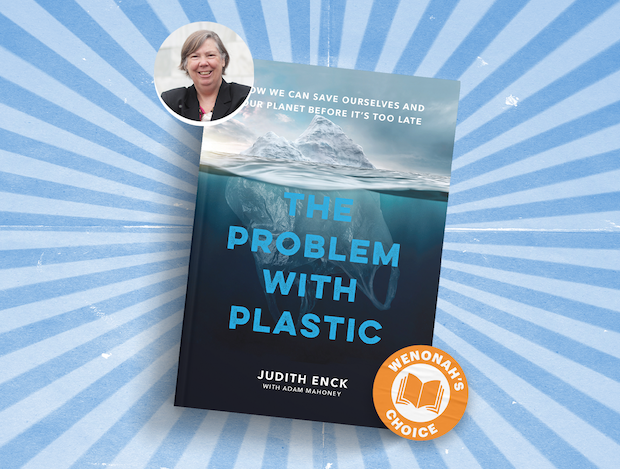
Judith Enck is the founder of Food & Water Watch ally Beyond Plastics and the author of The Problem With Plastic: How We Can Save Ourselves and Our Planet Before It’s Too Late. She opens her book with this gripping statement:
“We have constructed a world on the promise of convenience, but that foundation is crumbling, and the consequences are leaching into every element of our lives. The question we now face is whether we can break free from this dependence before it breaks us.”
Food & Water Watch Executive Director Wenonah Hauter chose The Problem With Plastic as her Book of the Year because of how widespread the plastic crisis has become. The book explores the history of plastic, the true cost of plastic’s entire life cycle, and how this crisis was created by an alliance between fossil fuel, chemical, and plastics companies.
At our January Livable Future LIVE event, Wenonah sat down with Judith to discuss the profit-hungry petrochemical companies that created this mess, how it affects us all, especially communities on the front lines of the plastic industry, and what we can do to save ourselves and our planet.
Plastic Is Intertwined With Climate Change and the Fossil Fuel Industry
“People are surprised when I say the top plastic producer in the country is this little mom-and-pop company known as ExxonMobil,” Judith told us. Plastics are made from fossil fuels, and now the majority of U.S. plastic comes specifically from a byproduct of fracking. As renewable energy has gotten cheaper and more popular, the fossil fuel industry has turned to plastics production as a lifeline for profits.
A report by Judith and her colleagues found that as of 2020, the U.S. plastics industry was responsible for at least 232 million tons of greenhouse gas emissions annually. That’s about the same as 116 coal-fired power plants. So even as our energy sector gets more climate-friendly, plastic production threatens to claw back progress.
At the same time, the fossil fuel and plastics industries have poured millions of dollars into selling the myth of plastic recycling. The truth is, the vast majority of plastic — even the plastic we diligently send to be recycled — ends up in landfills, in our oceans, or burned in incinerators.
Plastic Endangers Our Health and Environment
As Judith details in The Problem With Plastic, as many as 16,000 chemicals are used in the making of plastics, including toxic substances like lead, mercury, cadmium, and formaldehyde. But many of these chemicals haven’t even been studied, and only 1% have been classified as nonhazardous.
Plastic and its chemical additives are getting into our bodies in a multitude of ways. Polyester carpets shed microplastics (tiny bits of the stuff less than 5 millimeters wide) that we inhale. Plastic in packaging leeches into food and drinks. Now, scientists have found microplastics in our blood, our lungs, our kidneys, in the human placenta, and in breast milk. “Our babies are being born pre-polluted,” said Judith.
While plastic is everywhere and the health risks are ubiquitous, communities near petrochemical plants suffer the worst impacts. These plants are concentrated in Appalachia, Louisiana, and Texas, particularly in a stretch along the Mississippi River called “Cancer Alley.” The predominantly Black and low-income communities in Cancer Alley see cancer rates seven times the national average.
From the fracking wells to the petrochemical plants to the microplastics that are invading our bodies, plastic harms our health and environment at every step in its life cycle.
We Need Collective Action and Strong Policy to Rein in Plastics!
Despite the breadth and urgency of the plastics crisis, we have a lot of power to turn the tide. But the solutions won’t come from asking corporations to do the right thing and reduce the plastic in our lives. “We’ve been trying to do that for decades, and companies are using more and more and more plastic,” Judith said. “What we need to do is adopt new laws.”
In New York, Food & Water Watch is working with Judith and Beyond Plastics to pass the Packaging Reduction and Recycling Infrastructure Act, which would require a 30% reduction in plastic packaging over 12 years and eliminate the most toxic chemicals in packaging.
And last year, Food & Water Watch won an incredible first step toward protecting our drinking water from microplastic pollution. We successfully pushed seven governors to petition the Environmental Protection Agency (EPA) to start monitoring microplastics in drinking water.
This encouraging victory was only possible because of hardworking activists across the country who joined forces to pressure their elected officials to take microplastics seriously. We know that to defend our health and environment, we need smart strategy and a community of dedicated people like Judith, like our members, like you who care deeply about these issues.
While personal choices can reduce our individual exposure to plastics, we need to protect everyone by passing policy that stems the tide of plastic.
Join our fight for protections against plastic. Call on the EPA to monitor microplastics in our drinking water!
Watch the Full Event!
Check out the recording of “The Problem With Plastic” to learn more about:
- The myth of plastic recycling pushed by Big Oil and the plastic industry;
- How microplastic pollution harms soil health and threatens our food;
- Plastics’ effect on ocean ecosystems;
- Tips to reduce our exposure to plastic in our personal lives; and more!
Resources Shared at the Event
- Join our virtual Stop Microplastics Now Team meetings from anywhere in the United States.
- Food & Water Watch won a huge victory for protections against microplastics with a novel organizing strategy powered by volunteers. Read more about how we did it.
- Beyond Plastics put out a Perils of PVC Plastic Pipes report, reminding us that, as communities are finally getting rid of lead water pipes, PVC is not a safe replacement.
- Judith invites anyone high-school-aged and up to audit her Beyond Plastic Pollution Virtual Class starting February 18.
- Pick up a copy of Judith’s Book, The Problem With Plastic, for yourself or your local library!
- Our next Livable Future LIVE, “The State of Our Food and Water: One Year In,” on February 18, 7-8 p.m. ET, will outline Food & Water Watch’s 2026 priorities. Sign up now!
- And in case you missed it, check out our March 2025 Livable Future Live, “Microplastics in Your Water.”
- Your generosity helps fight for a livable future for all! Donate to Food & Water Watch.
Enjoyed this article?
Sign up for updates.
TO TOP