



5 Ways We’re Winning Against Data Centers


Published Sep 16, 2026
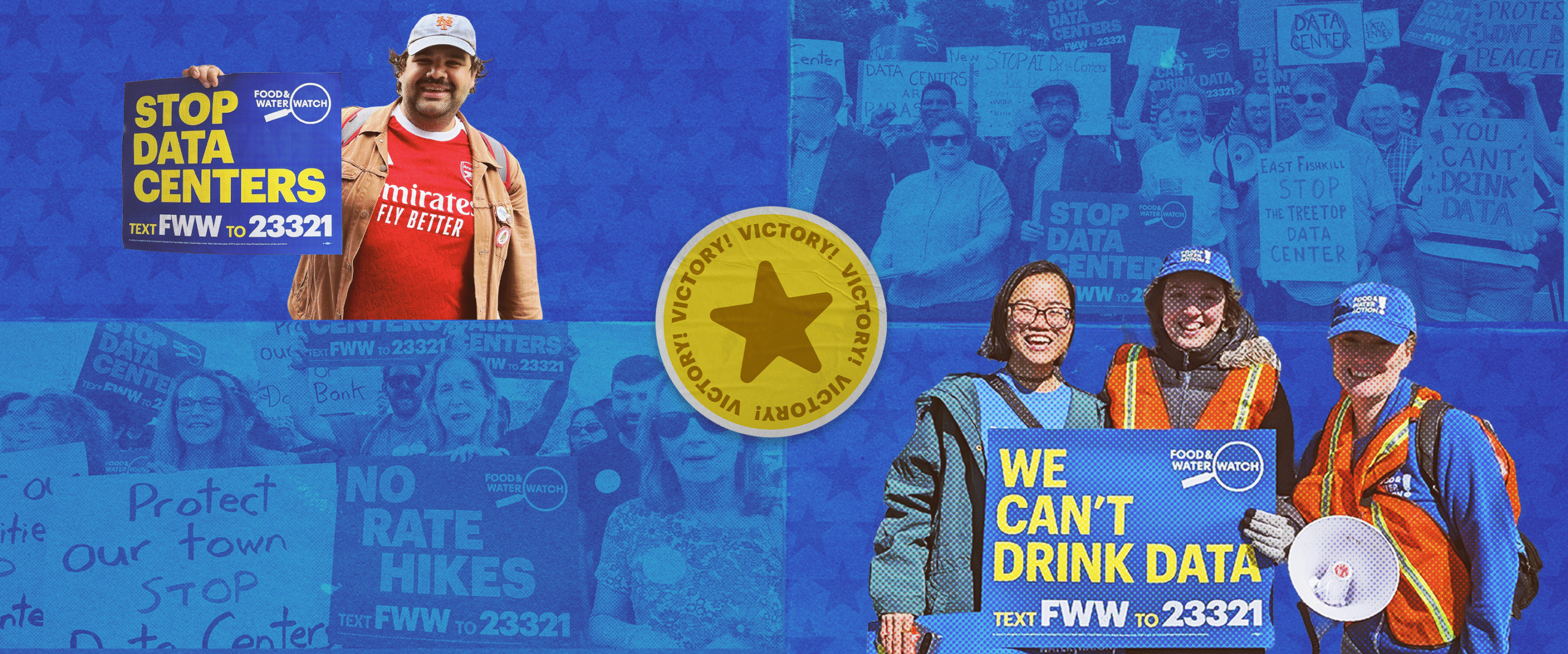
There's no one way to stand up to Big Tech. Here are five ways we're fighting data centers and winning real protections for our communities!
Big Tech wants us to believe the AI data center boom is inevitable. But in towns and cities across the country, neighbors are joining neighbors to write a different narrative.
The tech industry is putting all its heft and power into pushing water-guzzling, energy-hungry AI data centers onto us. It’s doing everything from spending millions to elect allies to greenwashing these facilities to hide their costs to people and planet. But the industry’s tactics have been met with relentless resistance.
As a result, the tides are turning. Our movement is growing. We’re thwarting the Big Tech billionaires and protecting our communities.
Here are five ways how:
1. Local Communities Fight Back… and Win
When a data center developer comes for our communities, we have many opportunities to bring its plans to a halt. One way we can do this is by passing a moratorium, or pause, on new data center development.
With local communities, Food & Water Watch has helped pass over a dozen local measures to stop data centers in seven states. In July, we hit the brakes on a proposed 360-megawatt data center in Dickerson, MD, when we successfully pressured the Montgomery County Council to pass an 18-month moratorium on data centers.
Along with passing moratoriums, communities are also rejecting data centers through the zoning process. In Montour County, PA, for example, immense public pushback led the County to reject a developer’s request to rezone more than 800 acres of farmland to clear the way for data centers.
At the local level, we use every tool in our toolbox to prevent data center plans from moving forward. These efforts are providing immediate relief to communities threatened by the harms data centers may bring.
Nationwide, grassroots opposition has pushed local leaders to pass more than 500 measures to block data centers.
2. Fighting Back Against Data Centers at the Ballot Box
Voters are also fighting back against data centers at the polls. This November, voters in twelve towns and cities will have the opportunity to restrict data center development through a ballot measure.
So far this year, two anti-data center ballot measures have already passed. In Port Washington, WI, voters passed a measure to require a vote before the City Council approves tax breaks for expensive projects, including data centers.
The measure was introduced in response to the City Council’s granting of a Tax Incremental District to a $15 billion data center. The Tax Incremental District allows the data center developer to reinvest its property taxes into the project, rather than pay them to the City, for two decades.
Such an egregious tax deal is not uncommon. Many leaders are giving handouts to Big Tech and hollowing out public revenue to entice data centers to set up shop. But residents in Port Washington and across the country are standing up.
In June, Monterey Park, CA, became the first city in the country to vote to permanently ban data centers. Residents voted 88% to 12% to amend the City’s land use law to prohibit data centers.
This came on the heels of an earlier victory, as months of intensive organizing from concerned residents led the Monterey Park City Council to pass a moratorium on data centers in January of 2026. In April, the developers behind the 1977 Saturn Data Center withdrew their application to build.
3. Building Support for a Federal Moratorium on Data Centers
While these local moratoriums and measures are keeping many communities safe from data centers, we know that we need more far-reaching protections. Otherwise, we’ll be left playing whack-a-mole with the thousands of data centers currently planned across the country.
That’s why we’ve continually called for a nationwide moratorium. We worked with Sen. Bernie Sanders and Rep. Alexandria Ocasio-Cortez to introduce federal legislation that would do just that.
In the months since the Artificial Intelligence Data Center Moratorium Act was first introduced, support in Congress has only grown, and it now has 14 cosponsors in the House. Additionally, Rep. Frank Pallone, the ranking member of the powerful Energy and Commerce Committee, has voiced support for a moratorium. And we’re just getting started.
As more people across the country continue to stand up to Big Tech, more of our leaders must start listening to their constituents and join these efforts.
Tell Congress: No New AI Data Centers! Support the AI Data Center Moratorium Act
4. State Data Center Moratoriums Gain Momentum
At the state level, some leaders are already heeding their constituents’ demands. In July 2026, New York became the first in the country to pass a statewide moratorium on data centers. The legislature passed the Responsible Data Center Development Act in June to pause data centers for a year. Soon after, Governor Kathy Hochul issued a weaker but still significant executive order to slam the brakes on data centers.
Food & Water Watch and our allies led the fight for New York’s moratorium. Our strategic campaign built awareness, pressured leaders, and directed our allies and supporters to a common goal. We’re continuing to push Hochul to sign the one-year moratorium bill into law.
We also look forward to this victory’s influence spreading across the country. Lawmakers in 14 other states have introduced statewide data center moratoriums so far. In September, Oregon Governor Tina Hotek announced her support for a statewide data center moratorium. Our win in New York proved what’s possible — how people power can overcome the influence of the tech industry.
Now, even state leaders who have been major AI data center boosters are starting to change their tune under pressure from their constituents. Texas Governor Greg Abbott recently announced a statewide pause to data center approvals, and Pennsylvania Governor Josh Shapiro recently issued an executive order aimed at restricting data center development.
While these moves are far from adequate to protect communities, they signal the power of our movement.
5. Our Movement Continues to Grow
Since Food & Water Watch first called for a nationwide moratorium on data centers in October 2025, the movement has only grown. In June 2026, we launched the Stop Data Centers coalition with allies including Citizens Action Coalition, Green Latinos, Media Justice, North Carolina Environmental Justice Network, Our Revolution, Pennsylvania Physicians for Social Responsibility, and Third Act.
Polls increasingly show how criticism and resistance to data centers crosses lines of race, party, and class. As one headline put it, “In a divided country, U.S. residents agree on one thing: no data centers.” Or, as another said more succinctly: “Everyone hates AI data centers.”
Public opinion has turned against Big Tech, and we are here to guide people into turning that opinion into action. Over 23,000 Food & Water Watch supporters have joined us in calling on Congress to stop AI data center centers and pass the AI Data Center Moratorium bill.
Despite Big Tech’s deep pockets and colossal influence, the movement against data centers continues to balloon, and we continue to win victory after victory. We won’t ever stop fighting to protect our communities, our democracy, or our planet.
Enjoyed this article?
Sign up for updates.
TO TOP