



4 (More) Ways Trump Is Failing Us on PFAS Forever Chemicals

Published Jul 9, 2026
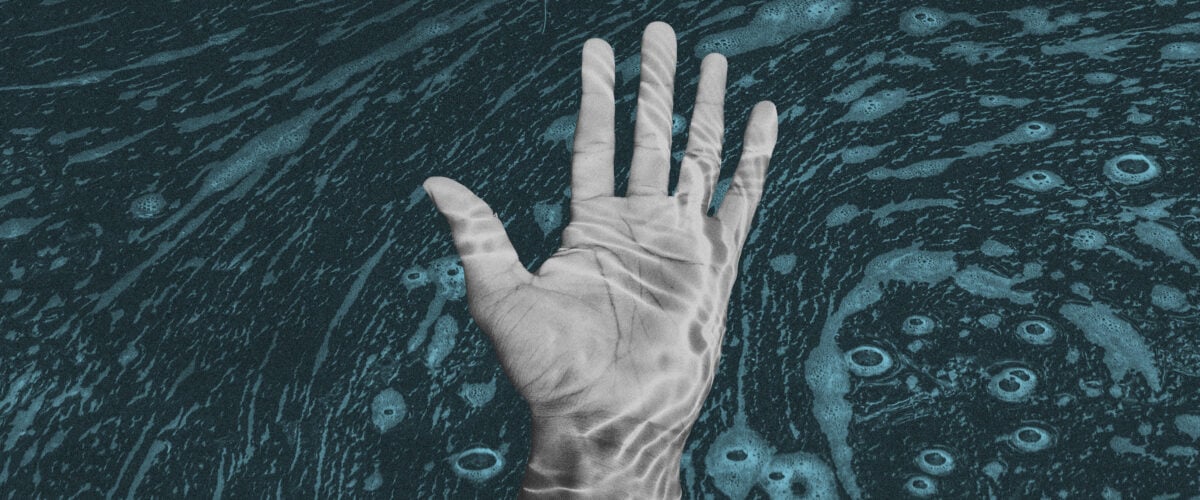
Trump has worked to undermine efforts to combat PFAS, all while fast-tracking PFAS approvals for industry.
Toxic PFAS “forever chemicals” are everywhere, and an abundance of research shows that even small traces of PFAS pose massive harm to our bodies and the environment. But rather than holding polluters accountable and protecting public health, Trump is gutting the Environmental Protection Agency (EPA)’s ability to address this crisis.
Earlier this year, Trump made headlines when he moved to roll back and delay crucial protections against PFAS in our drinking water. This move puts the 176 million people in the U.S. whose tap water is contaminated with PFAS at risk of continued exposure. But the administration is failing on PFAS in so many other ways. Here’s how:
1. The Trump Administration Axes EPA Resources to Address PFAS
With a crisis this big, communities need all the support they can get to study and clean up PFAS pollution. But Trump’s moves to slash the EPA’s budget and staffing are hamstringing the agency’s capacity and pulling the rug out from under communities that were set to finally see some progress. The EPA has lost nearly a quarter of its workforce under the Trump administration — reaching 40-year lows.
In the spring of 2025, the EPA illegally canceled more than $1.5 billion of grants aimed at reducing pollution and improving the environment in marginalized communities. This included $1 million for West Virginia to help address PFAS contamination of drinking water.
These grants were crucial to addressing pollution and contamination in the communities hit hardest — even EPA Administrator Lee Zeldin himself acknowledged they were important. Yet, the agency claimed such grants were part of a “radical agenda of wasteful DEI programs and ‘environmental justice.’”
In addition, the EPA canceled over $15 million in funding to investigate PFAS contamination on farms and in rural communities, two of which were awarded to Native nations. PFAS have been found in many types of food, in soils, and in the sewage sludge often used as fertilizer. These grants would have investigated PFAS contamination in the food supply and explored strategies to reduce PFAS exposure to protect public health.
2. The EPA Is Delaying PFAS Accountability and Data Collection
Despite claiming to want to “follow the science,” the Trump administration has made several moves to hinder information-gathering and help corporate PFAS polluters dodge accountability.
This year, the Trump EPA removed chemical facility data from public-facing tools under the Toxic Release Inventory program. This blocks communities from accessing information about industrial health and safety hazards near them, including PFAS storage facilities and possible pollution.
The agency also, once again, delayed enforcement of a rule that would have required PFAS makers to report details on their PFAS use during the decade from 2011 to 2022. (The EPA had previously delayed the rule in 2025 following pressure from a coalition of chemical companies.)
Yet, incongruously, under Administrator Zeldin’s leadership, the EPA has purported that it wants to address PFAS pollution and hold PFAS polluters accountable.
3. The EPA Is Failing to Make Progress on Safe PFAS Disposal
While Trump yanks funding and delays data collection, the EPA is falling short on a key facet of the PFAS crisis — figuring out how to treat contamination and destroy these chemicals. We still lack a widespread and federally approved method. EPA has only highlighted small-scale, independent research initiatives as progress.
In April of 2026, the EPA updated its Interim Guidance on the Destruction and Disposal of PFAS to include deep well injection, which is prohibitively expensive and heavily restricted by geologic conditions. It also suggests dumping PFAS waste in landfills, which poses major hurdles in containment and groundwater contamination, and burning them, which remains costly to our health and the environment despite companies claiming widespread effectiveness.
Meanwhile, the Department of Defense, a notorious PFAS polluter, updated its own guidance on destruction and disposal in February with similar recommendations. (Notably, it also received a three-year extension to phase out PFAS-based firefighting foam).
Earlier this month, the EPA released draft guidance for farmers and water agencies on how to handle sewage sludge fertilizer. Despite the existing research and the EPA’s 2025 assessment showing the dangers of PFAS in this sludge, the EPA has chosen to make this latest round of weakened and irresolute guidance completely voluntary.
4. In the Meantime, the EPA Is Approving New PFAS at a Rapid Clip
During the government shutdown in early November of 2025, Trump’s EPA approved its first PFAS pesticide for turf, lawns, cotton, lettuce, and soybeans. This has become part of a growing list of PFAS pesticides approved by the agency.
Just last week, at the end of June, the EPA approved another three PFAS pesticides, bringing the total to five new PFAS pesticides approved under Zeldin’s EPA. While the EPA slows its regulatory efforts and research, it speeds up its reviews for industry.
This isn’t the first time, and it won’t be the last. Previously, the agency worked to fast-track reviews of PFAS in semiconductors. Now, as Trump’s EPA seeks to “get out of the way” of data centers by speeding up chemical reviews for the industry, it may do the same for PFAS coolants.
All These Setbacks Impact the Research and Accountability We Need
As PFAS exposure becomes more pervasive, the lack of data will undermine efforts to protect both public health and the environment. Without federal funding for research, scientists will lose the tools to investigate how PFAS moves through our food systems, our bodies, and our communities.
At the same time, Trump’s moves are letting some of the biggest polluters off the hook, and threaten to clear the way for even more PFAS pollution. And while industries from chemical manufacturers to Big Tech reap the profits, communities will pay the price.
We need to protect our drinking water from PFAS. Tell the EPA, Maintain critical PFAS protections!
Enjoyed this article?
Sign up for updates.
TO TOP