



We are Fighting the Trump USDA’s Reckless Slaughterhouse Rules


Published Jun 3, 2026
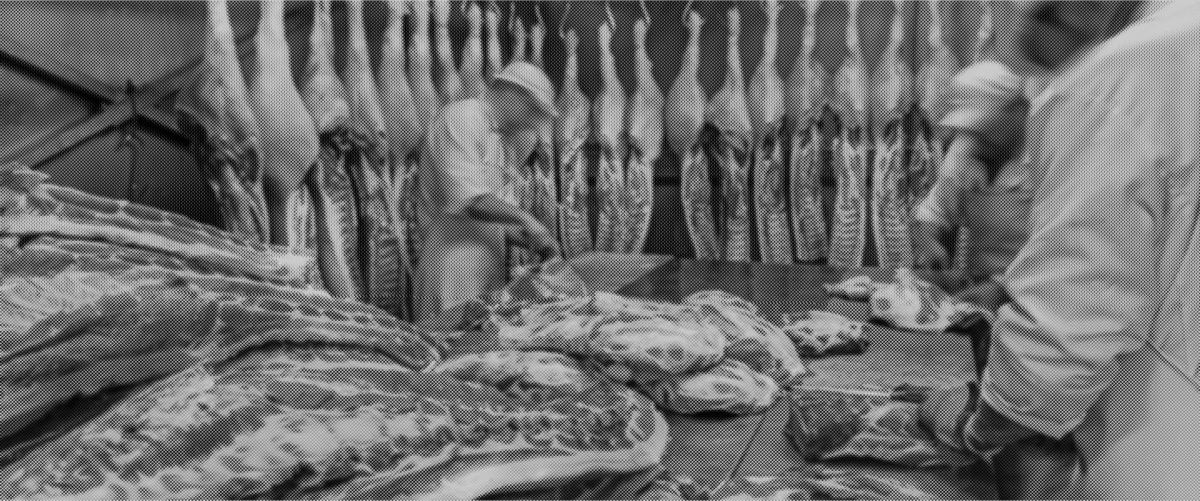
Increasing kill speed limits for animal processing is dangerous for animal welfare, workers, and food safety. We’re opposing these dangerous rollbacks.
In yet another giveaway to Big Ag, Trump’s Department of Agriculture (USDA) recently proposed rules to speed up operations at swine and pork slaughterhouses. In April, we commented to oppose these rollbacks, which are the latest in a series of deregulatory actions that will harm workers, the environment, and everyday Americans. These changes would allow meat processing facilities to slaughter up to 175 chickens per minute (up from 140 today) and 60 turkeys per minute (up from 55), while the pork plant rule would eliminate line speed caps entirely.
Meat and poultry processing is already extremely dangerous work and — contrary to the USDA’s claims — these rules would further threaten worker safety in slaughterhouses. In fact, the study USDA erroneously cites as support for increasing line speeds found that 81% of poultry workers are at increased risk of musculoskeletal disorders, and workers who handled more chickens per minute are at higher risk compared to those who handle fewer. Despite these findings, USDA’s proposed rules would not only increase line speeds, but also weaken oversight of working conditions. When the first Trump Administration attempted to enact the same line speed changes in 2019, the United Food & Commercial Workers Union (UFCW), which represents hundreds of thousands of meatpacking and processing workers, won a lawsuit on the grounds that USDA failed to consider the rules’ worker safety impacts. UFCW opposes the proposed rules this time as well.
Higher limits, or no limits at all, also mean more animals slaughtered, plain and simple. Increased meat production will create more water pollution and greenhouse gas emissions, not only from the slaughterhouses, but also from the factory farms that supply slaughterhouses with animals. As livestock rearing has transitioned from diversely held small and medium farms to industrial scale factory farms, pollution has become increasingly concentrated, overwhelming local ecosystems and creating environmental health hazards that threaten public health. As more animals are forced through slaughterhouses, the concentration of pollution into nearby waterways (think blood, fat, urine, feces, and algae-causing nutrients) will also grow. Wastewater treatment plants are already struggling to keep pace with slaughterhouse wastewater, and further increasing and concentrating pollution loads puts swimming, fishing, and boating safely at risk. Increased pollution could also make complying with water quality standards even more difficult, requiring investment in expensive treatment systems — and ratepayers will foot the bill.
USDA’s line speed rules will also hurt Americans by undermining food safety. With chickens and pigs flying down the line at breakneck speeds, inspectors do not have enough time to identify fecal contamination and other signs of adulteration that increase the risk of foodborne illnesses like Salmonella and Campylobacter. The Centers for Disease Control has reported that over 1 million people get sick each year in the U.S. from contaminated poultry; this deregulation will increase the likelihood of sickness with more uninspected meat products being packaged and sent out to consumers. Worse yet, increasing line speeds will reduce the time that slaughterhouse employees have to identify signs of zoonotic diseases like bird and swine flu. In the wake of COVID-19, we should be reducing pandemic risks — not increasing them.
We oppose these rules because in addition to being a worker safety issue, rolling back line speed limits harms the environment and public health. The Trump administration’s reckless rules sacrifice public safety to line the pockets of meatpacking executives. Food & Water Watch will use all the legal tools we have to stop USDA from moving forward with these rules.
Enjoyed this article?
Sign up for updates.
TO TOP