



EPA Must Protect Iowans from Cancer-Linked Nitrate Contamination


Published Mar 31, 2026
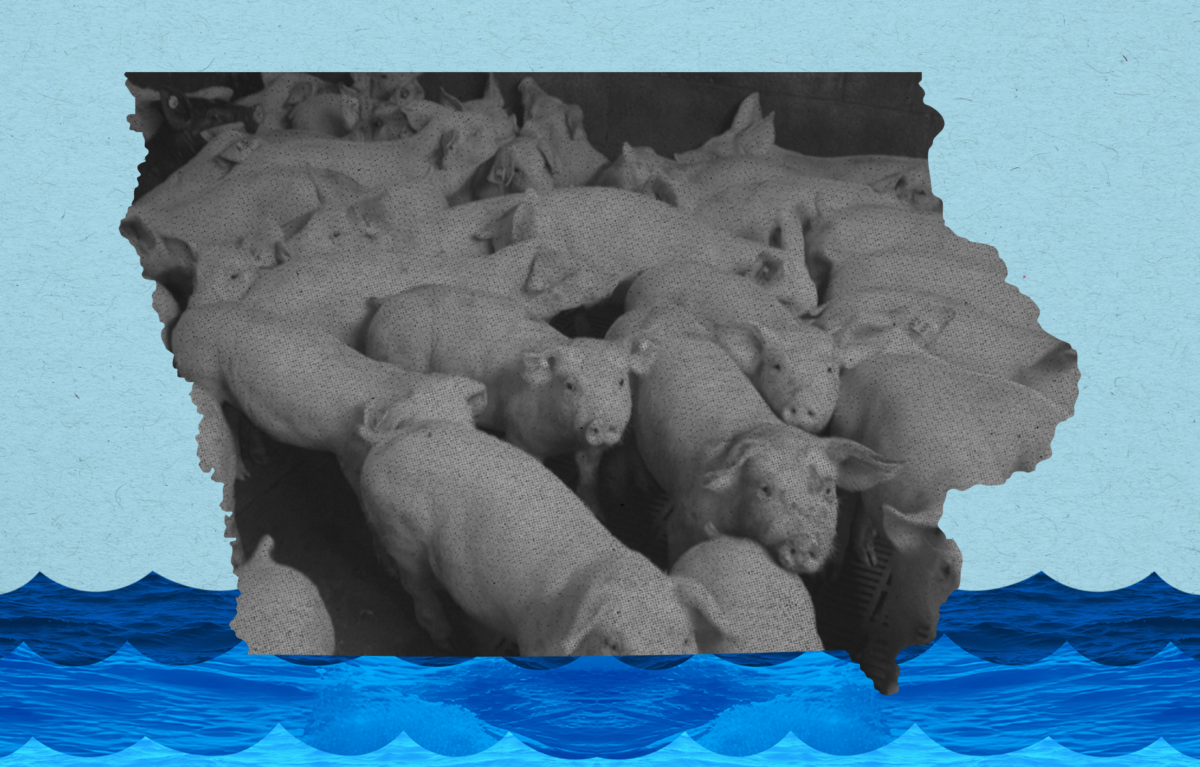
The Trump administration is attempting to rob Iowans of safe drinking water. We’re fighting back.
On May 14, 2026, Food & Water Watch, Iowa Environmental Council, and Environmental Law and Policy Center sued Trump’s Environmental Protection Agency (EPA) in response to EPA’s decision to claw back its listing of seven nitrate-polluted waterways on Iowa’s 2024 Impaired Waters List.
Every two years, the federal Clean Water Act requires that states review water quality data to develop a list of waters that are not meeting water quality standards. States must then submit their lists to EPA for approval. It is EPA’s job to review state submissions and add any impaired waters state agencies failed to include. When a water is listed on a state’s impaired waters list, the state must prioritize cleaning up that water by developing a plan to quantify and reduce pollution. These clean-up plans are key to restoring degraded waterways and providing the public with critical information about pollution that harms human health and the environment.
In 2024, EPA reviewed Iowa’s impaired waters list and determined that segments of the Cedar, Des Moines, Iowa, Raccoon, and South Skunk Rivers — waters that supply drinking water to hundreds of thousands of people — were impaired due to nitrate concentrations that exceed federal safety thresholds. But after the Trump administration came back into power, EPA reversed course, rescinding the listings without providing any scientific justification.
This unreasoned decision is not only irresponsible — it’s dangerous. Nitrate pollution is linked to thyroid disorders, birth defects, colorectal cancer, and a potentially fatal condition known as blue baby syndrome. Many of these harmful conditions are associated with nitrate levels far below EPA’s existing 10 milligram per liter drinking water limit, as that standard was designed to protect only against blue baby syndrome.
Last summer, nitrate levels in the Raccoon and Des Moines rivers, which supply Central Iowa’s urban drinking water, reached near-record highs. The pollution forced Des Moines Water Works to run its expensive nitrate removal system for 112 days, a measure that led to the area’s first-ever lawn watering ban as the system struggled to keep up with the high nitrate concentrations. This year, Iowa’s treatment plants are once again warning residents to limit water use as river nitrate concentrations remain dangerously high. Iowa is clearly experiencing a water quality crisis, and EPA should be doing more to help — not undoing the little progress that has been made.
In February, we sent EPA a notice letter regarding its duty to review Iowa’s impaired waters list and informing it of our intent to sue for violating the Clean Water Act if it did not remedy the violations in 60 days. EPA did not provide a valid justification for rescinding its decision on Iowa’s impaired waters, so in May we sued.
Without Clean Water Act clean-up plans, Iowa’s nitrate-laden rivers will continue threatening public health. EPA must be held accountable for its egregious about-face on Iowa’s impaired waters list; our lawsuit aims to do just that.
Enjoyed this article?
Sign up for updates.
TO TOP