



Corporations Add Fuel And Fan Flames In Our Wildfire Crisis

Published Aug 10, 2022
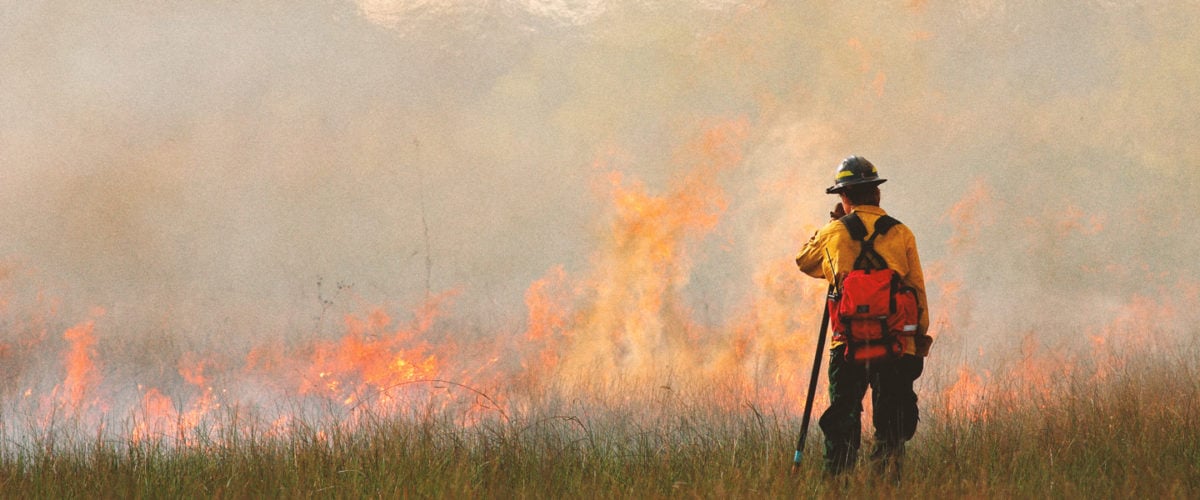
Growing wildfires put our communities in peril. Slowing down the threat means taking on corporations that recklessly emit carbon and use our water.
Deep in an old-growth forest some 100 miles from the Pacific coast, a storm is brewing. First the thunder, then the lightning. Deer run for cover. Birds shield their chicks in their nests. A fork of lightning taps the top of a Douglas fir older than anyone alive in the town just a few miles away.
In a few minutes, a single lick of flame will turn into an inferno. In less than 24 hours, thousands of acres will have turned to ash.
We know wildfires are unpredictable, scary, and devastating. We also know exactly who’s behind the crisis that millions of folks in the West and across the country face each year.
Water-hungry and climate-wrecking corporations are turning our forests into tinderboxes. One of the drivers is Big Oil. And if the industry is allowed to continue, we’re looking at a much hotter, more dangerous future for our forests and our communities.
Unprecedented Wildfires Extend Their Reach
Megablazes, the kind of fires that take out more than 100,000 acres, used to be a once-in-a-career event for firefighters. But now, “during the summers we are seeing them on a weekly basis,” a program manager in the U.S. Fire Administration told the Guardian.
In 2021, California saw 2.6 million acres lost to fire, blowing past the previous five years’ average of 1.4 million acres. Across the country, 70,000 communities are at risk for devastation by wildfire.
Wildfires are growing across both space and time. Fire seasons that were once contained in the late summer and fall are now stretching earlier into the summer and later, even towards winter.
On top of that, fires are becoming harder to fight. The high winds and dry conditions create fires that behave unpredictably and thus more dangerously. If we continue emitting at our current pace, climate models show the risk of large wildfires will grow 600% by 2050.
Climate Change Adds Fuels To Forest Flames
The story behind today’s wildfires begins centuries ago. Once, indigenous communities purposely lit and managed fires. This prevented devastating fires by thinning out trees and shrubs, which would fuel a large flame.
By the early 20th century, federal forest policy aimed to put out any fire as quickly as possible. Fuels like shrubs, dead plants, and fallen branches built up for decades. More fuel means any spark — lightning, downed power lines, campfires — can turn into an intense and fast-moving inferno.
But the problem has gotten far worse due to climate change. Climate change means less snow and rainfall, more high winds, and more hot, dry weather. The forest has less moisture, and fuels become drier and more flammable.
Climate change has more secondary effects, as well. For example, in West Coast forests, bark beetles have grown more active thanks to the milder winters and drier trees.
The beetles bore into trees, killing them. Though the trees’ sap can push the beetles out of their boreholes, less moisture in the environment means less sap. The dry, dead trees then provide even more fuel for flames.
Large fires also create climate feedback loops. The smoke sends more emissions into the air, which worsens climate change. This creates ideal conditions for wildfires, which send more emissions into the air, and so on.
Big Oil Is Turning Up The Heat
California has been front and center in the news on wildfires for the past several years. But despite the state’s twin crises of drought and fire, it’s still our country’s 7th largest producer of crude oil. This is a recipe for worsening disaster.
The fossil fuel industry contributes to the state’s climate crises in several ways. It pumps carbon emissions into the air. It’s also an incredibly thirsty industry that threatens the entire region’s water cycle. From January 2018 to March 2021, fossil fuel companies in California used 3 billion gallons of water for drilling.
When it’s not sucking up water, Big Oil is polluting it. For decades, oil corporations have gotten rid of their wastewater by injecting it deep underground. They also inject water into oil wells for enhanced oil recovery, a method for pushing out the last stubborn dregs of oil from a well.
California is home to 1 in 3 U.S. oilfield injection wells, numbering in the tens of thousands. Every barrel of oil drilled results in 15 barrels of wastewater, which is full of salt, trace metals, and toxic chemicals like benzene.
The wells that hold this wastewater are poorly regulated and often leak, threatening groundwater supplies. Oil corporations have even injected wastewater directly into drinking water aquifers.
If allowed to continue, the state’s fossil fuel corporations will continue worsening the drought. Less water in the environment means less rain and drier conditions — the key ingredients for wildfire.
We Know How To Reduce Our Wildfire Risk
Industry has run roughshod over our water supplies and our environment for too long. Big Oil and Big Ag are driving the climate crisis and fueling growing wildfires. If we are to slow down climate change, reduce wildfire risk and save millions more acres from a blaze, our elected leaders must act now.
Currently, California is laying out its plans to address the climate crisis through a process at the California Air Resources Board. The board, appointed largely by Governor Newsom, will be setting the state’s strategy for addressing climate change.
It’s critical that this process directly confronts the fossil fuel industry and that Newsom and CARB act with urgency. This means stopping new permits for drilling and fossil fuel infrastructure, phasing out all fossil fuel production by 2030, and rejecting industry scams like carbon capture that will only extend our dependence on fossil fuels.
In doing so, Governor Newsom could show real climate leadership — while addressing the wildfire crisis threatening communities in California and across the country.
People power is our greatest tool to tackle climate change and the resulting wildfires. Help us build it.
Enjoyed this article?
Sign up for updates.
TO TOP